Clinical Pastoral Education Center
Equipping Those Who Serve
To further encourage, equip, and empower those who serve others, we offer Clinical Pastoral Education (CPE) training. We are devoted to providing individuals called to serve others with the tools, resources, superior education and training to excel in their calling. Serving others by caring for the caregiver.
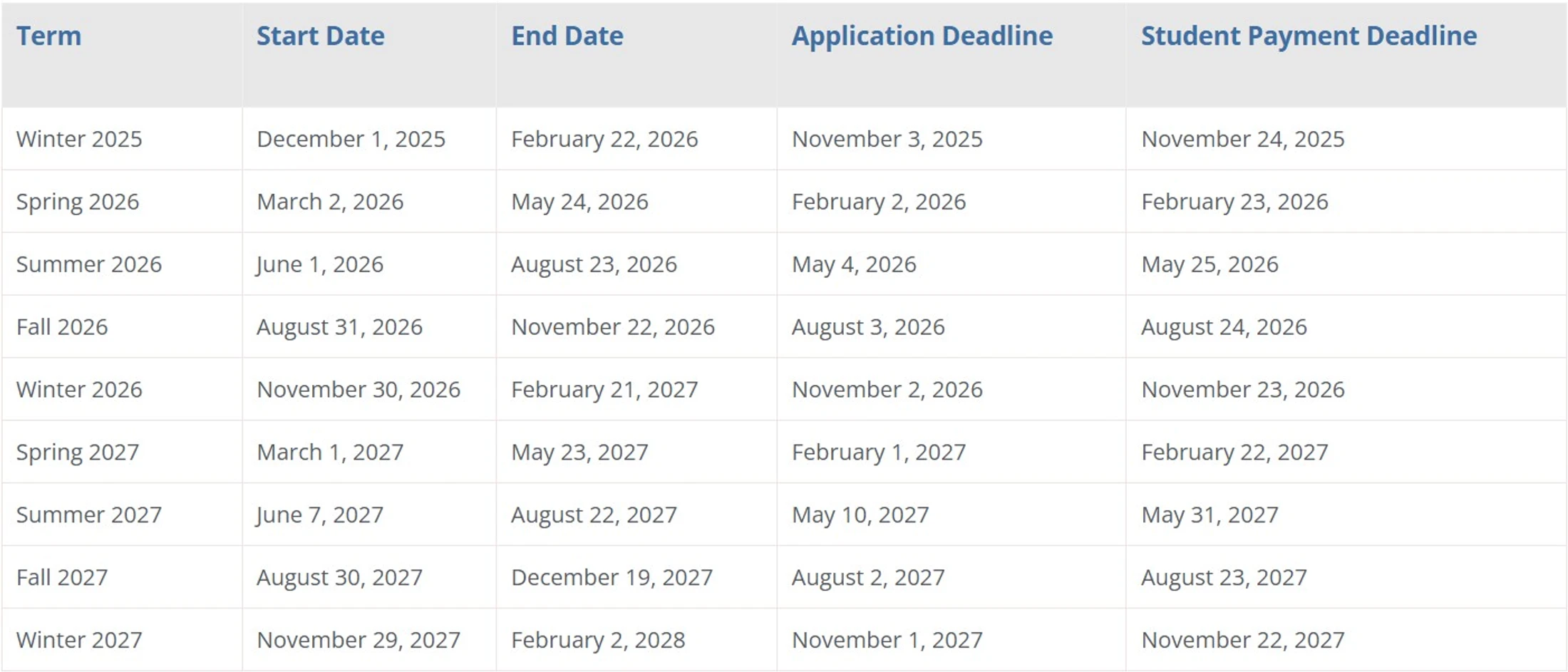
You Will Benefit From Clinical Pastoral Education!
Whether you are military personnel, a police officer, firefighter, medical professional, teacher, coach, pastor, etc., YOU will benefit from Clinical Pastoral Education.

Unit 1: Foundations of Pastoral Care (400 program hours)
- Focuses on developing basic pastoral care skills and understanding of pastoral identity.
- Students are introduced to core concepts such as active listening, empathy, and presence.
- Emphasis is placed on self-awareness and reflective practices to understand personal bias and emotional responses in caregiving.
Unit 2: Deepening Self-awareness and Pastoral Identity (400 program hours)
- Builds on foundational skills, focusing on deeper self-exploration and understanding one’s pastoral role.
- Engages in the awareness of cultural and ethical dynamics. Uses their peer group and supervisor for continued growth and development.
Unit 3: Integration of Theory and Practice (400 program hours)
- Self-awareness in ministry - Reflect on personal strengths, limits, and growth as a pastoral caregiver.
- Spiritual assessment skills - Recognize and understand the spiritual needs and resources of those receiving care.
- Pastoral documentation - Record pastoral care encounters clearly and professionally.
- Growing autonomy - Provide pastoral care with increasing confidence and independence.
- Care for diverse populations - Offer respectful care to people from different backgrounds and beliefs.
- Ethical decision-making - Apply sound ethical principles in ministry situations.
- Consultation and collaboration - Seek guidance and work with peers and supervisors to improve care.
Unit 4: Advanced Pastoral Care and Leadership (400 program hours)
- This course is a capstone in which students critically analyze themselves as pastoral providers.
- Focuses on refining pastoral skills and preparing for leadership roles in ministry.
- Students engage in complex pastoral scenarios, practicing conflict resolution and ethical decision-making. Emphasizes the development of personal pastoral care models and leadership competencies.
Throughout each unit, students are nurtured in a supportive learning environment, participating in supervised clinical practice, group reflection, and personalized feedback sessions. This structure is designed to foster growth and development in pastoral care, ensuring students feel secure and encouraged in their learning journey.
Hear from CPE Students
Check out these testimonies from students who have completed CPE units!
Frequently Asked Question
If you want to expand your chaplaincy knowledge to include professional settings such as healthcare providers (hospitals, hospice centers, psychiatric wards), prisons or correction agencies, the military, police and fire departments, business, or other clinical field settings, then you will need more than an ecclesiastic endorsement or ordination. You need to engage in Clinical Pastoral Education/Training (CPE).
Clinical Pastoral Education (CPE) is a unique interfaith experience, open to people of all faiths. IMF partners with Clinical Pastoral Education International to offer CPE to spiritual professionals and theological students seeking professional growth and development in clinical pastoral settings. CPE students learn through action-reflection-action instructional methods and supervised practice in real-world settings to provide pastoral services to others.
Tuition and fees are to be processed through CPEI upon registration.
Students select internship sites that support their pastoral care practice. Each site must be approved by CPEI, and a separate MOU is required for every site, outlining the responsibilities of the CPE Faculty (Supervisor‑Educator), the student, and the site coordinator. Students may use multiple sites as long as each has its own coordinator and MOU. They must submit a weekly log of internship hours, which is recorded in Populi and shared with the site coordinator. At the end of the course, the site coordinator provides an evaluation and verifies the student’s hours.
General Requirements:
Applicants must be able to read, write, speak, and understand English.
Applicants must be 18 or older.
Applicants must have a bachelor’s degree, or greater, from an accredited college or university and a minimum of two (2) years of ministerial experience or applicable professional experience.
Applicants without a bachelor’s degree must have a minimum five (5) years of ministry experience or applicable professional experience.
Additional Requirements
The applicants must be willing to adhere to their own faith tradition and be willing to learn with those of faith traditions other than their own. Applicants must possess the ability to minister to persons in various emotional states.
Applicants must be willing to learn from others and be able to communicate effectively to those who possess different values without proselytizing or evangelizing.
Applicants must have his/her own transportation to get to and from unit sessions/clinical sites. Applicants must adhere to the policies and procedures at their clinical site and/or place of ministry including, but not limited to, working in a smoke free environment.
CPE Credits FROM Other Institutions TO CPEI:
Yes, CPEI accepts transfer credit from other recognized pastoral care organizations or educational institutions. Students must submit an official transcript (preferred) or certificate of completion from a U.S. Department of Education–recognized pastoral care cognate organization or an active COMISS member.
To request transfer credit, students must complete the Request to Transfer Credit for CPE or Supervisory Education Coursework or Unit form on the CPEI Website.
CPEI Credit TO Other Other Institutions:
Coursework completed with CPEI is not guaranteed to transfer to another CPE or educational institution. Each receiving institution determines whether it will accept transferred credit.
Previous Experience as a Student, Minister, or Chaplain TO CPE:
CPEI does not offer exemptions or credit for prior training, experience, or experiential learning, including previous ministry or chaplaincy-related coursework.
You’re welcome to contact Michael Rivera regarding any inquiries about CPE registration.
Michael A. Rivera Jr., MDiv, BCC, CPES, ASIST
Phone: 651-422-8983
Email: michael@imfserves.org
Supervisory Education
The certificate in CPE Supervisory Education assists students interested in becoming CPE Supervisors-Educators. The process involves gaining the knowledge and skills needed to make a lasting difference in the lives of others through the advancement of one’s supervisory practice. In the supervisory education program, students learn to develop critical thinking, supervisory, and leadership skills. Each course consists of 400 hours of observation and practice of supervision and the development of one’s supervisory theory.
- A graduate theological degree (minimum of 72 hours) from accredited school
- Four courses/units of CPE (1600 hours)
- Board Certified Chaplain Certification (BCC)
Note: A new enrollment agreement is required for each course.
Yes, students will receive a final evaluation which addresses the learning outcomes and assigned a grade
Yes, a certificate of completion per course and a certificate of achievement for four courses or 1600 hours.
CPE Credits FROM Other Institutions TO CPEI:
Yes, CPEI accepts transfer credit from other recognized pastoral care organizations or educational institutions. Students must submit an official transcript (preferred) or certificate of completion from a U.S. Department of Education–recognized pastoral care cognate organization or an active COMISS member.
To request transfer credit, students must complete the Request to Transfer Credit for CPE or Supervisory Education Coursework or Unit form on the CPEI Website.
CPEI Credit TO Other Other Institutions:
Coursework completed with CPEI is not guaranteed to transfer to another CPE or educational institution. Each receiving institution determines whether it will accept transferred credit.
Previous Experience as a Student, Minister, or Chaplain TO CPE:
CPEI does not offer exemptions or credit for prior training, experience, or experiential learning, including previous ministry or chaplaincy-related coursework.
You’re welcome to contact Michael Rivera regarding any inquiries about CPE registration.
Michael A. Rivera Jr., MDiv, BCC, CPES, ASIST
Phone: 651-422-8983
Email: michael@imfserves.org
IMF's Strategic Partnership with Clinical Pastoral Education International offers IMF members access to the school’s CPE Program that provides clinical learning experience through the application of knowledge and skills to become competent professionals.